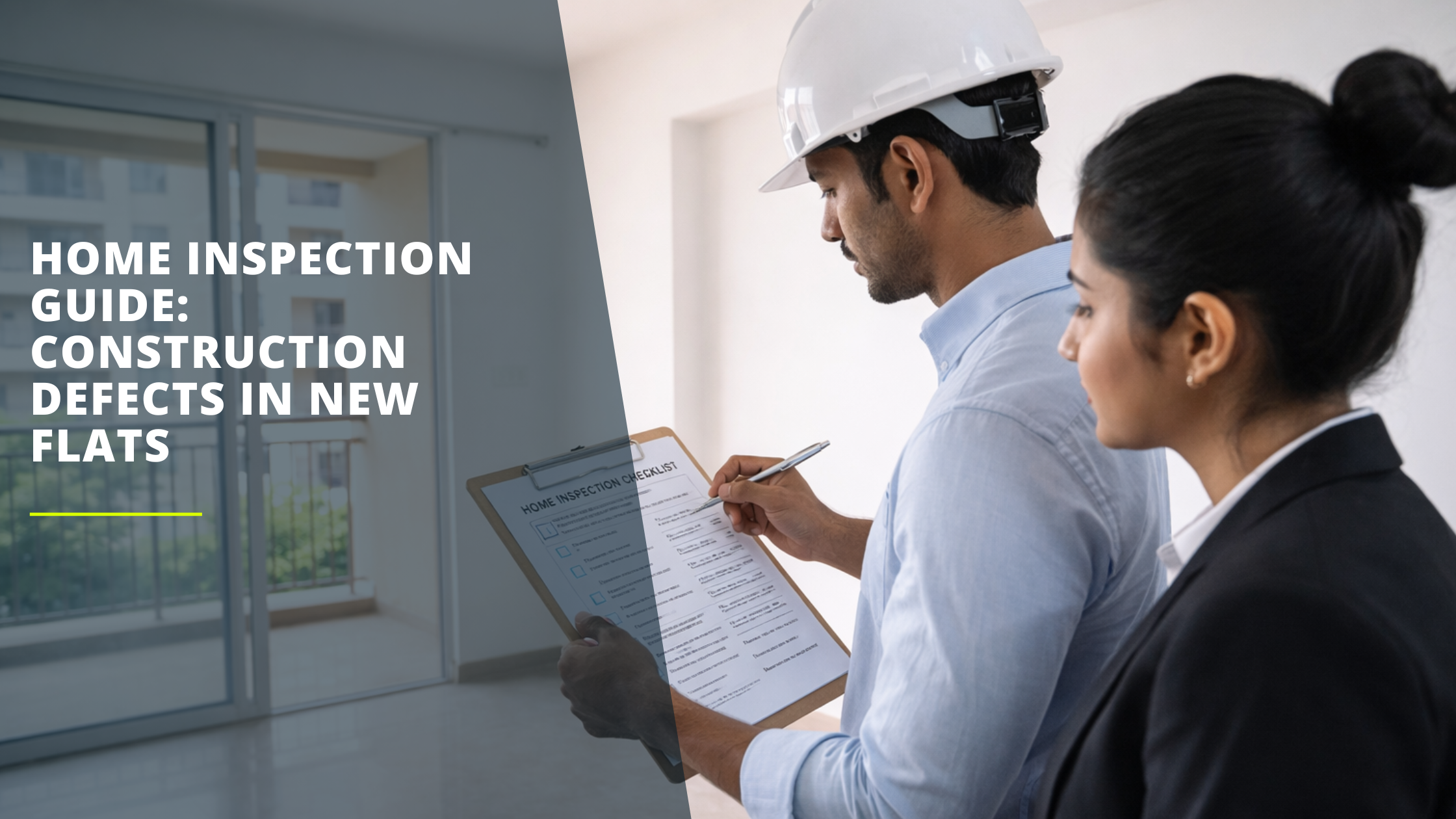
Buying a new flat is an exciting milestone, but it also comes with risks if construction quality is not thoroughly checked. Many homebuyers assume that newly built apartments are free from defects, which is often not the case.
A home inspection before possession helps identify construction defects early. This ensures that buyers receive a safe, well-built home and avoid costly repairs after moving in.
Why Home Inspection Is Important for New Flats
New apartments may look perfect on the surface, but hidden issues can exist beneath the finishing. Problems like leakage, poor wiring, or uneven flooring are commonly found during inspections.
A professional pre-possession home inspection allows buyers to detect these defects before final payment. It also gives them the opportunity to ask builders for repairs.
For anyone purchasing a new property, a proper inspection is a crucial step in protecting your investment.
Common Construction Defects Found in New Flats
Understanding the most common issues can help buyers know what to look for during a new flat inspection checklist.
Wall Cracks and Poor Finishing
Cracks in walls are one of the most visible construction defects. While some may be minor, others could indicate structural concerns or poor workmanship.
These cracks are often found near doors, windows, and structural joints. Uneven plaster or poor paint finishing can also reduce the overall quality of the home.
A detailed inspection helps identify whether these are cosmetic issues or something more serious.
Water Leakage and Dampness
Water seepage is a common issue in many new apartments. It usually occurs due to poor waterproofing in bathrooms, kitchens, and balconies.
Over time, leakage can damage walls, cause paint peeling, and lead to mold growth. This can affect both the structure and indoor air quality.
During a home inspection, checking for damp spots and testing water flow is essential.
Plumbing Defects
Plumbing issues are often hidden and may not be visible during a basic site visit. Common problems include leaking pipes, low water pressure, and improper drainage.
If not addressed early, these issues can lead to major repairs after possession.
A proper inspection ensures that all plumbing systems are functioning correctly and efficiently.
Uneven Flooring and Tile Defects
Poor tile installation can lead to uneven flooring or hollow tiles. These defects may not be immediately noticeable but can cause long-term damage.
Hollow tiles can crack under pressure, and uneven surfaces can affect furniture placement and usability.
Inspectors typically check tile alignment, joint finishing, and overall floor quality.
Electrical Safety Issues
Electrical defects can pose serious safety risks if not identified early. Issues like loose wiring, faulty switches, or lack of proper earthing are common in new flats.
These problems can lead to power failures or even fire hazards.
A thorough electrical inspection ensures that wiring, switchboards, and connections meet safety standards.
Door and Window Alignment Problems
Improper installation of doors and windows is another frequent issue. Misalignment can cause difficulty in opening and closing, and may lead to gaps.
These gaps can allow dust, noise, and even rainwater to enter the home.
Inspecting alignment, locking systems, and sealing quality is important before taking possession.
Poor Drainage and Slope Issues
Bathrooms, balconies, and utility areas should have proper drainage slopes. Incorrect slope can cause water to accumulate instead of flowing towards drains.
Standing water can lead to hygiene issues and long-term damage to flooring and walls.
A home inspection ensures that all drainage systems are functioning as intended.
Incomplete Finishing and Snag Issues
Many buyers receive flats with incomplete finishing work. This includes unsealed joints, uneven paint, loose fittings, or missing fixtures.
These small issues may seem minor but indicate lack of attention to detail.
Creating a snag list during home inspection helps ensure all finishing work is completed properly.
Key Areas to Focus During a Home Inspection
A comprehensive inspection should cover all critical areas of the property.
Structural and Interior Checks
Inspect walls, ceilings, and floors for cracks, uneven surfaces, and finishing quality. Ensure that paint and plaster work meet expected standards.
Plumbing and Water Systems
Check all taps, showers, and drainage systems. Ensure proper water pressure and look for signs of leakage or seepage.
Electrical Systems
Test all switches, sockets, and electrical points. Ensure proper functioning and safety compliance.
Doors, Windows, and Fixtures
Check alignment, locks, and fittings. Ensure that all fixtures are installed correctly and working smoothly.
When Should You Conduct a Home Inspection
The ideal time for a pre-possession home inspection is when construction is complete but before the final payment is made.
This allows buyers to identify and report defects while the builder is still responsible for fixing them.
Scheduling an inspection at the right time ensures better negotiation and quality assurance.
Benefits of a Professional Home Inspection
Hiring professionals for a home inspection provides a detailed and unbiased assessment of the property.
They use tools and expertise to detect hidden defects that are not visible to the untrained eye.
For buyers looking for home inspection services in India, this step adds transparency and confidence to the buying process.
Conclusion
Buying a new flat does not guarantee a defect-free home. Many construction issues can remain hidden until a professional inspection is carried out.
A home inspection before possession helps identify construction defects early, ensuring that buyers receive the quality they expect.
For anyone investing in a new property, a thorough inspection is not just recommended—it is essential.
FAQs
What is a home inspection for new flats?
A home inspection is a detailed evaluation of a property’s construction quality, systems, and finishing before possession.
Why is a pre-possession home inspection important?
It helps identify defects early so that buyers can request repairs from the builder before taking ownership.
What are common defects in new apartments?
Common issues include wall cracks, water leakage, plumbing defects, uneven flooring, electrical problems, and poor finishing.
Can I inspect a flat myself?
While basic checks can be done, a professional home inspection provides a more accurate and detailed assessment.
When is the best time to conduct a home inspection?
The best time is just before possession and before making the final payment to the builder.