Uneven flooring in apartments or homes is more than just a cosmetic issue — it’s often a direct reflection of your builder’s workmanship and construction practices. Whether it’s visible dips, raised edges, or cracked tiles, such problems can signal poor material use, rushed construction timelines, or deeper structural issues. For homebuyers and tenants in India, noticing these defects early through a professional home inspection can save both money and stress.
Common Causes of Uneven Flooring
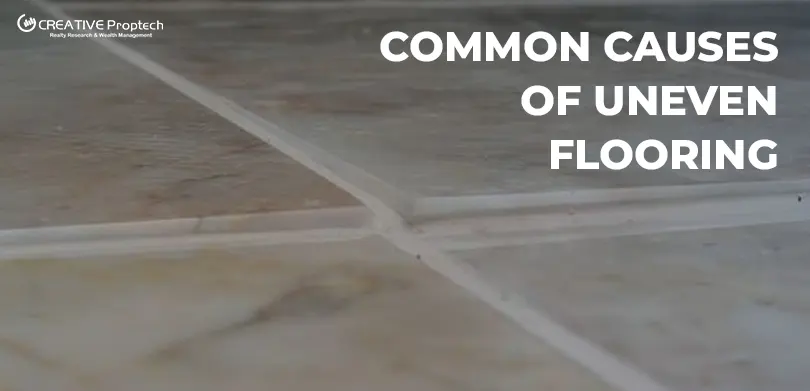
- Poor Surface Preparation: Floors not leveled before tiling or finishing often result in visible unevenness.
- Low-Quality Materials: Cheap or substandard tiles and adhesives contribute to misaligned flooring.
- Structural Settlement: Weak foundation or poor soil compaction causes long-term sinking and uneven surfaces.
- Water Damage: Moisture seepage weakens flooring materials, leading to cracks or bulges.
Impact on Property Value & Safety
- Reduced Resale Value: Uneven flooring instantly reduces the appeal of your property.
- Trip Hazards: Raised edges or slopes create safety risks, especially for children and elderly residents.
- Furniture Alignment Issues: Uneven floors make it hard to place furniture properly, leading to wobbling and instability.
- Hidden Structural Concerns: Sometimes, uneven flooring points to deeper foundation or structural integrity problems.
Inspection Methods to Detect Uneven Flooring
- Laser Leveling Tools: Identify subtle slope differences across the entire floor.
- Moisture Meters: Check for dampness below the surface that could be weakening the flooring.
- Thermal Imaging: Detect hidden water seepage or poor layering beneath tiles or marble.
- Visual & Physical Checks: Walking on the surface often reveals creaking, hollow sounds, or loose tiles.
Prevention & Builder Accountability
- Pre-Handover Inspection: Always conduct a thorough flooring inspection before taking possession of a flat.
- Demand Quality Standards: Builders must adhere to ISI-certified materials and proper leveling practices.
- Routine Maintenance: Early sealing of joints and periodic checks prevent water seepage that damages floors.
- Legal Recourse: In severe cases, buyers can demand rectification or compensation from the builder under RERA guidelines.
Conclusion
Uneven flooring is not just a minor inconvenience — it’s a warning sign of construction shortcuts, poor quality materials, or structural negligence by the builder. Identifying these issues early with the help of a professional home inspection allows you to negotiate repairs, prevent future expenses, and ensure safety for your family. Don’t let hidden construction flaws compromise your investment; schedule an inspection today for complete peace of mind.
FAQs
- Can uneven flooring be fixed after possession?
Yes, but it often involves costly retiling or leveling. Detecting it early during inspection saves time and money. - Does uneven flooring always mean structural damage?
Not always. It may be due to poor finishing, but in some cases, it can indicate deeper foundation issues. - What tools are used to check flooring alignment?
Professionals use laser levels, thermal cameras, and moisture meters to detect surface irregularities and hidden defects. - Is uneven flooring common in new flats?
Unfortunately, yes. Rushed handovers and poor quality checks often leave buyers with such defects in newly constructed apartments. - Should I still buy a flat if uneven flooring is detected?
Yes, but only after the builder commits to rectifying the defect or adjusting the cost. A detailed inspection report strengthens your negotiation.