Fire safety is one of the most ignored aspects during apartment possession.
Buyers focus on interiors, tiles, and paint but miss life-critical safety gaps.
A professional fire safety inspection can reveal serious defects that impact evacuation, rescue, and insurance validity.
This guide explains exactly what buyers must check before taking possession.
Table of Contents
ToggleWhy Fire Safety Inspection Is Critical for Flat Buyers
In emergencies, fire safety systems determine whether residents escape safely.
Poorly designed exits or non-functional systems can turn minor fires into disasters.
Many new apartments pass paper approvals but fail on-ground safety execution.
A physical inspection helps you verify real readiness, not just certificates.
Common Fire Safety Issues Found in New Apartments
Builders often compromise on fire safety to reduce costs.
Defects are usually hidden until inspection or emergency.
Typical issues include blocked exits, locked staircases, and non-working alarms.
These risks affect residents across all floors.
Lift Safety Checks During Fire Inspection
Fire Lift Availability and Marking
Fire lifts must be clearly marked and separate from passenger lifts.
Many buildings label normal lifts as fire lifts without the required features.
Check for fire-resistant lift doors and proper signage at every floor.
Absence of these puts rescue operations at risk.
Lift Operation During Fire Emergencies
Passenger lifts should automatically shut down during fire alarms.
If lifts continue functioning, it’s a major safety violation.
Test whether lifts return to the ground floor when alarms trigger.
Manual override systems must also be functional.
Emergency Power Backup for Lifts
Fire lifts require dedicated power backup.
Shared or insufficient backup leads to lift failure during emergencies.
Inspect generator connections and backup duration claims.
This is critical for high-rise buildings.
Staircase Safety Checks Buyers Must Do
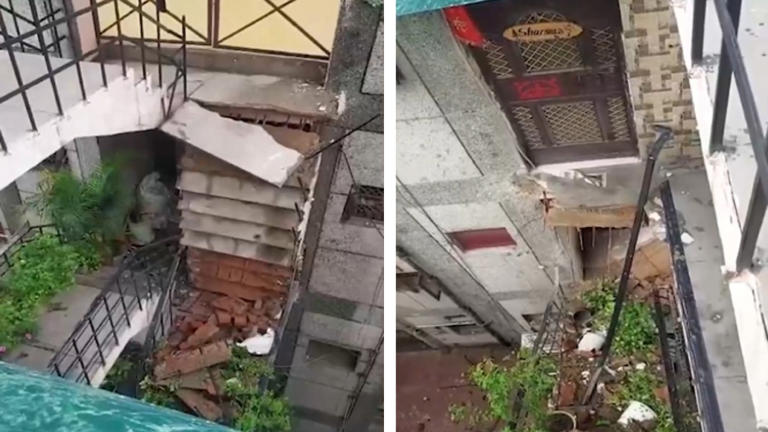

Fire-Rated Staircase Doors
Staircase doors must be fire-rated and self-closing.
Many sites install decorative doors instead of certified fire doors.
Check door labels and closing mechanisms.
Doors should not stay open or jam easily.
Staircase Width and Obstruction
Minimum staircase width is mandatory for safe evacuation.
Builders often reduce width or allow storage inside staircases.
Ensure staircases are free from shoe racks, cycles, or debris.
Obstructions slow evacuation during panic situations.
Staircase Ventilation and Smoke Control
Staircases must have proper ventilation or pressurisation systems.
Poor ventilation leads to smoke accumulation.
Check for vents, exhaust fans, or pressurisation panels.
Absence of these can make staircases unusable during a fire.
Fire Exit & Escape Route Inspection Checklist
Clearly Marked Emergency Exit Signage
Exit signage must glow and remain visible during a power failure.
Many buildings install non-illuminated decorative boards.
Test signage visibility in low light.
Missing signage creates confusion during evacuation.
Exit Door Accessibility
Emergency exits should never be locked or bolted.
Unfortunately, many societies lock exits to prevent misuse.
Physically open every exit door during inspection.
Locked exits are one of the most dangerous violations.
Exit Route Continuity to Safe Assembly Area
Fire exits must lead directly to open safe zones.
Routes ending in basements or dead ends are unsafe.
Walk the entire exit route yourself.
Ensure it connects clearly to outdoor assembly areas.
Fire Detection and Alarm System Checks
Smoke Detectors and Manual Call Points
Smoke detectors should be installed in corridors and common areas.
Manual call points must be accessible and labelled.
Test alarm activation during inspection.
Silent or delayed alarms indicate poor maintenance.
Audible Alarm Coverage
Fire alarms must be audible inside flats and corridors.
Many alarms are too weak or disconnected.
Check alarm audibility with doors closed.
Low sound levels reduce response time.
Fire Equipment Installation Defects to Watch For
Fire Extinguishers Placement and Expiry
Extinguishers must be mounted at visible locations.
Expired or missing extinguishers are common issues.
Check the pressure gauge and expiry dates.
Wrong extinguisher types are also frequent errors.
Fire Hose Reel and Hydrant Accessibility
Fire hose reels should be unobstructed and functional.
Often, they are blocked by furniture or locked cabinets.
Inspect hose length, nozzle, and water pressure.
Dry hydrants indicate serious system failure.
Basement and Parking Fire Safety Inspection
Basements are high-risk zones for fire spread.
Poor ventilation and fuel storage increase danger.
Check exhaust fans, sprinkler systems, and emergency exits.
Basement exits should never rely solely on lifts.
Fire Safety Compliance vs Actual Site Reality
Fire NOCs do not guarantee on-ground safety.
Many approvals are obtained before full installation.
A site inspection reveals mismatches between drawings and reality.
Buyers should never rely only on documents.
Why Home Buyers Should Hire a Professional Fire Safety Inspector
Professionals inspect as per national safety codes and real risk scenarios.
They identify defects that buyers usually miss.
Inspection reports help negotiate rectifications before possession.
They also protect future residents and legal interests.
When Should Fire Safety Inspection Be Done?
The best time is before possession or final payment.
Early inspections allow builders to fix issues at their cost.
Post-possession corrections are harder and slower.
Early action ensures safety from day one.
FAQs on Fire Safety Inspection in Apartments
Is a fire safety inspection mandatory before possession?
It is not mandatory for buyers, but highly recommended.
It ensures your building is genuinely safe to occupy.
Can a building have approvals but still be unsafe?
Yes, many buildings pass approvals but fail execution checks.
On-ground inspection is essential.
Do small buildings need fire safety inspection?
Yes, even low-rise apartments need proper exits and alarms.
Fire risk exists regardless of building height.
Who is responsible for fire safety defects after possession?
Initially, the builder is responsible during the defect liability period.
Later, responsibility shifts to the housing society.
How long does a fire safety inspection take?
A detailed inspection usually takes 1–2 hours.
Larger complexes may take longer.
Final Thoughts for Home Buyers
Fire safety is not a luxury or formality.
It directly affects life, property, and long-term peace of mind.
Before taking possession, inspect lifts, staircases, and exits thoroughly.
A professional fire safety inspection is one of the smartest decisions a buyer can make.