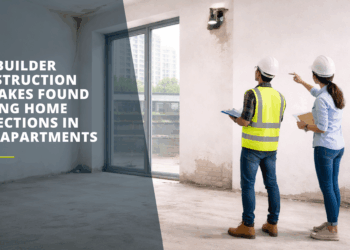
Buying a home for the first time is one of the biggest decisions of your life.
It is emotional, exciting, and often rushed because of fear of missing out.
But many new home buyers ignore the most critical part of the process—property approvals.
One missing approval can turn your dream home into a legal and financial nightmare.
This blog explains all the approvals you must check before buying a home, in simple terms.
Why Property Approvals Are Crucial for First-Time Buyers
Property approvals ensure that the home you are buying is legal and safe.
They confirm that the land and construction follow government rules.
Without proper approvals, you may face loan rejection, legal notices, or resale issues.
For new buyers, approvals are not optional—they are essential protection.
Clear Land Title and Ownership
The first approval you must check is the land title.
The seller or builder must legally own the land without any dispute.
A clear and marketable title ensures no third party can claim ownership later.
Always ask for ownership documents and verify them carefully.
Encumbrance Certificate (EC)
An Encumbrance Certificate confirms that the land is free from loans or legal dues.
It shows whether the property has been mortgaged earlier.
If the EC is not clean, the property may already be under financial stress.
Never proceed without checking this document.
Local Authority Layout Approval
Every residential project must be approved by the local planning authority.
This approval confirms that the land can legally be used for housing.
Projects without layout approval are considered unauthorised developments.
Such properties face a high risk of demolition or denial of services.
Sanctioned Building Plan Approval
The sanctioned building plan defines how the building should be constructed.
It includes floor count, flat size, parking, and open spaces.
If the actual construction differs from the approved plan, it becomes illegal.
Buyers often face issues during possession or resale due to this.
RERA Registration – Non-Negotiable
RERA registration is mandatory for most residential projects in India.
It protects buyers from delays, false promises, and unfair practices.
RERA details include project timeline, approvals, and builder credentials.
Always verify the RERA number on your state’s official portal.
Environmental Clearance
Large housing projects require environmental clearance from authorities.
This approval ensures sustainable use of land and resources.
Without this clearance, construction can be halted at any stage.
Buyers may face long delays or legal complications.
Commencement Certificate
A Commencement Certificate allows the builder to legally start construction.
It is issued only after all initial approvals are in place.
Many buyers overlook this document because buildings already look complete.
Construction without this certificate is technically illegal.
Fire Safety Approval
Fire safety approval is mandatory for residential buildings, especially high-rises.
It ensures proper emergency exits, alarms, and fire control systems.
Absence of fire approval can delay occupancy certification.
It also puts residents at serious safety risk.
Airport Authority Height Clearance
If the project is near an airport, height clearance is required.
This approval comes from the Airport Authority of India.
Without it, upper floors may be declared unauthorised.
Such properties face serious resale and occupancy issues.
Water, Electricity, and Sewage Approvals
A legally approved home must have permanent utility connections.
These approvals come from municipal and government departments.
Dependence on tanker water or temporary power is a warning sign.
It indicates incomplete or missing approvals.
Completion Certificate
A Completion Certificate confirms that construction is finished as approved.
It is issued after authorities inspect the building.
This certificate proves that the project follows the sanctioned plan.
It is a prerequisite for getting the Occupancy Certificate.
Occupancy Certificate (OC)
The Occupancy Certificate is one of the most important approvals.
It confirms that the building is fit for living.
Without OC, banks may stop loan disbursement.
Living in such a property can create legal and resale problems.
Sale Agreement and Sale Deed Verification
Legal documents define your ownership rights and obligations.
Even approved projects can cause trouble if agreements are poorly drafted.
A legal expert should review all clauses before signing.
Never rely only on builder assurances.
Common Mistakes First-Time Buyers Make
Many buyers trust advertisements more than documents.
Others assume bank loan approval means everything is legal.
Skipping verification to save time often leads to regret later.
Patience and due diligence always pay off in real estate.
Practical Advice for New Home Buyers
Take copies of all approvals and verify them independently.
Use government portals wherever possible.
If something feels unclear, pause the transaction.
A genuine property will always stand legal scrutiny.
Frequently Asked Questions (FAQs)
Is RERA approval mandatory for buying a home?
Yes, for most residential projects, it is mandatory.
It provides legal protection and transparency to buyers.
Can I take possession without an Occupancy Certificate?
It is strongly discouraged.
Without OC, the property is not legally approved for living.
Do banks approve loans for illegal properties?
Reputed banks usually avoid such properties.
However, bank approval alone is not a legal guarantee.
What happens if approvals are missing later?
You may face penalties, regularisation costs, or legal notices.
Resale and property transfer become extremely difficult.
Who should verify property approvals?
Ideally, both you and a property lawyer should verify them.
Never depend solely on the builder or broker.
Final Thoughts
Your first home should bring peace, not problems.
Legal approvals are the foundation of safe ownership.
Take time, ask questions, and verify every document.
A legally approved home secures not just your money, but your future.